Take our 15-minute survey to shape the future of this platform. Includes an interactive tutorial!
Evidence-Based
Interventions for ADHD
A platform that brings together the best available research on how different treatments proposed for ADHD work and how safe they are. It helps clinicians, people with ADHD and their carers, guideline developers, and other decision-makers make informed choices.








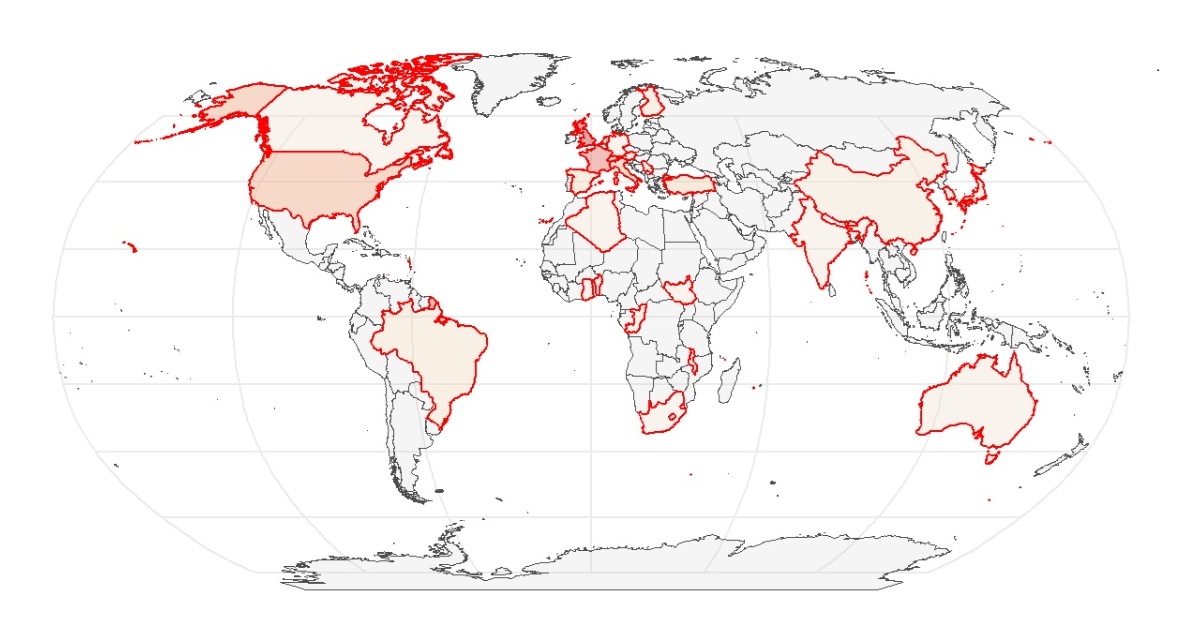
Countries from which user feedback was collected to enhance the platform
Making informed shared-decision making in clinical practice
Empowering shared decision making
By providing a convenient access to highest quality scientific information, making it possible to engage in a patient-clinician informed discussion.
Validated by leading journals
By publishing our approach and results in high-impact medical journals, we ensured of the methodological rigor of the work.
Co-created with stakeholders
By collaborating with 100+ clinicians and 100+ individuals with lived experience across 30 countries, to ensure the platform meets real-world needs.
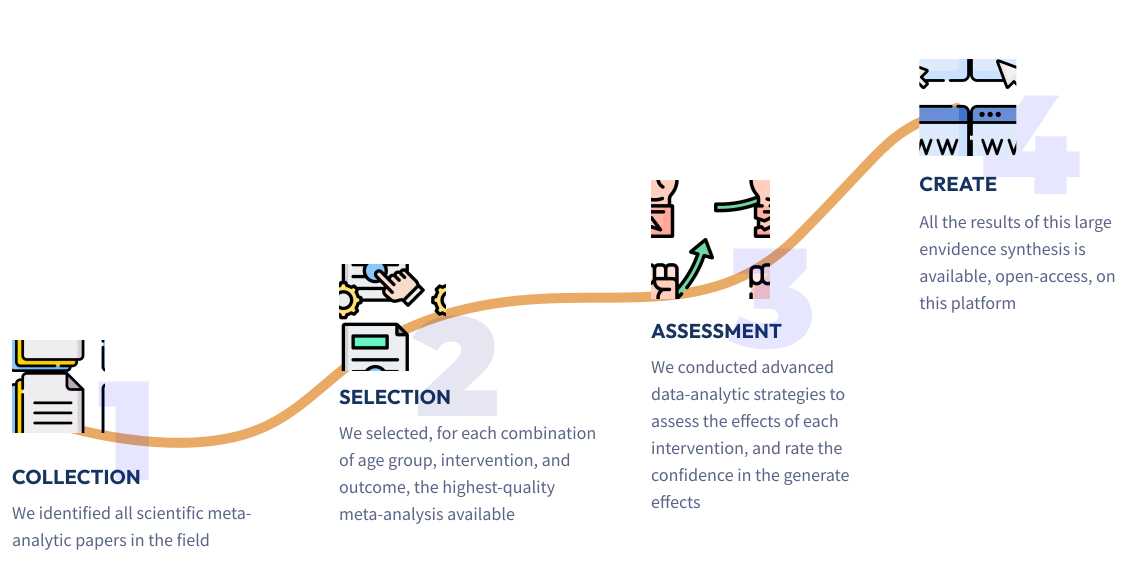
The scientific methods behind the EBI-ADHD platform
The scientific approach used to create this online platform is directly inspired by the U-REACH framework. You can visit the U-REACH main website to have more information on the methods, or to explore other similar evidence synthesis platforms on different populations (such as autism or bipolar disorder).
Core Members Of The Team
EBI-ADHD is funded through public and peer-reviewed research grants from Agence Nationale de la Recherche (France), France 2030 program (France) and National Institute for Health and Care Research (UK). This ensures a complete scientific independence and methodological rigor of the work.




Corentin J. Gosling, PhD

Miguel Garcia-Argibay, PhD

Marco Solmi, MD, PhD

Richard Delorme, MD, PhD